
함께 추는 춤: 시노달리티
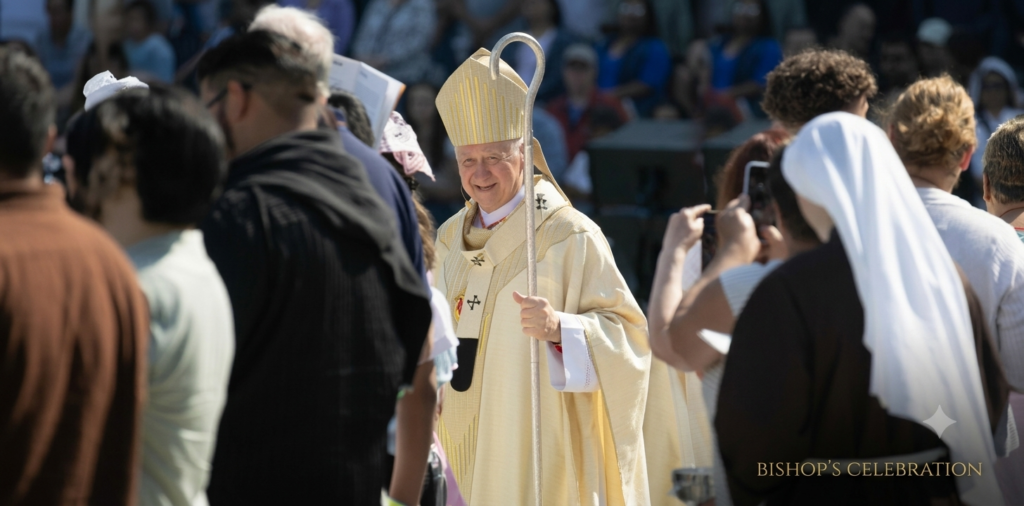
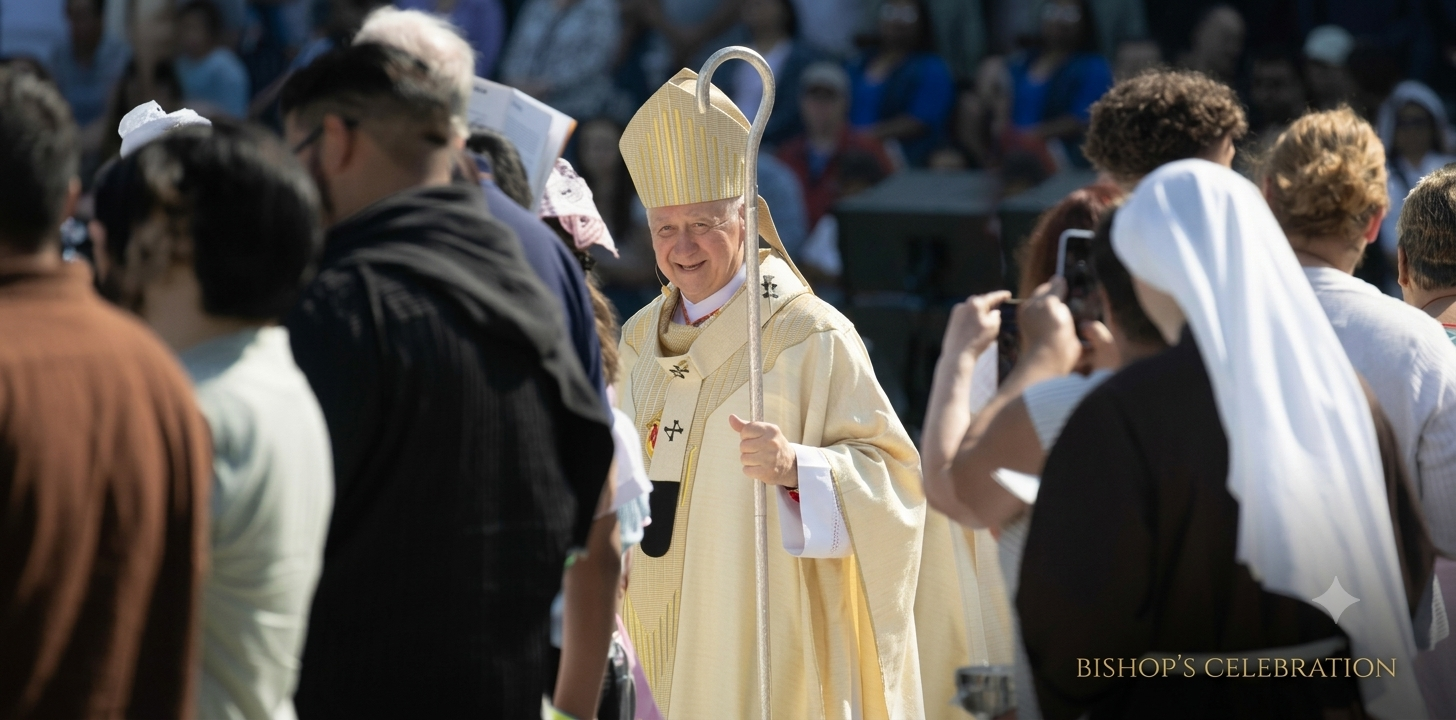
※ 다음은 2026년 7월 8일자로 ‘바티칸 뉴스’가 전하는 블레이즈 수피치 추기경(Cardinal Blase Joseph Cupich, 1949년~)의 글, <Synodality is like Dancing>의 번역문이다.(원래의 영문을 함께 수록했다) 많은 이가 ‘시노달리티’ 혹은 ‘시노달리타스’에 관해 질문하곤 하는데, 이에 대하여 이 글은 쉬운 이해와 깊은 통찰을 담았다. 블레이즈 추기경은 2014년에 대주교 서품을 받은 후 2016년에 추기경으로 서임되었으며 현재 미국 시카고 대교구의 교구장으로 사목하고 있다.
————————
제가 춤이라는 예술을 처음 접한 것은 십 대 시절 댄스 파티에 가서가 아니었습니다. 오히려 그것은 수요일 저녁마다 형제자매들과 사촌들, 그리고 본당의 다른 아이들과 함께 성당 강당에 모여 크로아티아 민속춤을 배울 때였습니다. 그 춤의 이름은 ‘콜로(kolo)’였는데, ‘원(circle)’을 의미하는 이 단어처럼 무용수들은 서로 손을 잡거나 허리를 끌어안고 원형이나 사슬 모양으로 종종 당김음이 있는 리듬에 맞춰 춤을 추곤 했습니다. 우리는 ‘옛날 고국’에서는 콜로가 사람들 사이의 교류 수단이었으며, 마을 사회생활의 중심이자 젊은 남녀가 서로를 알아가는 주요한 장이었다는 이야기를 들었습니다.
솔직히 ‘시노달리티(Synodality)’라는 단어를 처음 들었을 때 제 귀에는 참 생소하게 들렸습니다. 시간이 지나 여러 설명을 탐구하면서 점차 더 잘 이해하게 되었습니다. 저는 교황청 국제신학위원회가 발표한 2018년 문서 <교회의 삶과 사명 안에서 시노달리타스(Sinodality in the life and mission of the Church) – 우리말 번역본이 있음>가 여전히 큰 도움이 된다고 생각합니다. 그러던 어느 날, 콜로 춤을 추었던 제 경험과 그 안의 여러 요소가 시노달리티를 이해하는 데 많은 것을 시사해 준다는 생각이 문득 들었습니다.
춤과 마찬가지로 시노달리티 역시 친교의 수단을 제공하지만, 그 장소는 바로 교회의 삶 속입니다. 그리스어 ‘시노도스(synodos)’에서 유래한 시노달리티의 본질은 “함께 걷기” 또는 “같은 길을 여행하기”를 의미하기 때문입니다. 따라서 시노달리티는 성령과 서로에게 귀를 기울이면서 다 함께 하나 되어 앞으로 나아갈 책임을 공동체 전체에 부여합니다. 춤과 시노달리티 모두 개인의 퍼포먼스에서 공동의 조화로의 전환을 요구하며, 서로 다른 개인들의 집단을 하나의 움직이는 유기체로 변화시킵니다.
춤의 리듬은 어떻게 시노달리티의 정신을 반영하는가?
춤에서 움직임은 결코 진공 상태에서 시작되지 않습니다. 그것은 항상 음악과 함께 시작됩니다. 무용수들은 스텝을 떼기 전에 곡의 리듬과 템포, 분위기를 내면화하기 위해 깊고 집중된 침묵을 가꾸어야 합니다. 시노달리티 역시 정확히 동일한 주파수로 작동합니다. 그 첫 번째 스텝은 말하기나 정책 제정이 아니라 성령과 성경, 전통, 그리고 서로의 목소리, 특히 변방에 있는 이들의 목소리에 깊이 귀 기울이는 것(경청)입니다. 음악을 무시하는 무용수가 앙상블에서 겉돌게 되듯, 귀 기울이지 않는 공동체의 구성원은 더 이상 시노드적 방식으로 행동하지 않게 됩니다. 함께 공유하는 리듬에 귀를 기울일 때 모두가 같은 노래에 맞춰 움직일 수 있습니다.
콜로와 같은 복잡한 안무는 모두가 정확히 동시에 움직이더라도 각자의 명확한 역할이 존재합니다. 지도자가 지침을 제공하더라도, 그 리더십은 지배하거나 결과를 통제하는 것이 아니라 다른 이들이 안전하게 움직이고 빛날 수 있는 안전한 공간을 만들어 주는 것입니다. 이것이 바로 시노드적 틀 안에서 말하는 ‘공동 책임성(Co-responsibility)’의 정확한 정의입니다. 위계 집단, 평신도, 수도회, 신학자 모두 저마다 고유한 charism(성령의 은사)과 역할을 지니고 있습니다. 시노달리티는 이러한 차이점들을 평준화하여 없애버리지 않습니다. 오히려 거장의 안무가처럼 그 차이점들을 하나로 엮어냅니다. 춤의 아름다움은 작품 전체가 완성되기 위해 모든 무용수의 움직임이 필수적이라는 사실에 달려 있습니다.
또한 춤에는 창의성과 적응력이 필요합니다. 무용수들은 발을 떼어 중력의 끌어당김을 이겨내야 하고, 파트너의 무게와 운동량에 맞추어야 하며, 스텝이 꼬였을 때 적응해야 합니다. 시노달리티는 경직되고 정해진 결과 없이 무대 위로 올라서려는 기꺼운 마음을 요구합니다. 사실 시노달리티는 본질적으로 미지의 영역으로 떠나는 여정입니다. 성령께서 우리가 깔끔하게 계획해 둔 루틴을 깨뜨리실 수 있음을 인정하며 대화가 주는 창의적 긴장감을 받아들입니다. 공동체가 긴장이나 이견에 부딪힐 때, 시노달리티는 무대 밖으로 걸어 나가는 것이 아니라 그 마찰을 이용해 방향을 틀고, 적응하며, 함께 나아갈 새로운 길을 찾을 것을 요구합니다. 그리고 무용수들이 서로의 발을 밟지 않아야 하듯, 시노드적 대화를 말다툼으로 변질시키는 것은 치명적인 스텝의 실수(Misstep)가 될 것입니다.
덧붙여 춤에는 공간 감각이 필요합니다. 무대는 결코 무한하지 않습니다. 무용수들은 모두를 위한 공간을 확보하기 위해 무대의 크기에 주의를 기울여야 합니다. 무용수들이 정해진 무대의 경계를 무시하면 무대 뒤 구석으로 굴러떨어지거나, 오케스트라와 충돌하거나, 움직임이 형태와 의미를 잃어버리는 어둠 속으로 쏟아져 내릴 위험이 있습니다. 이와 마찬가지로 시노드적 경향은 ‘천막을 넓히는 것’입니다. 공동체에게 지금 무대에서 빠져 있는 사람이 누구인지 살피고 그들을 적극적으로 초대할 것을 요청합니다. 또한 무대에 익숙한 이들에게는 한 걸음 물러서서, 숙련된 연주자뿐만 아니라 모든 이의 페이스와 스텝을 공동체의 리듬이 배려할 수 있도록 요구합니다.
그러나 무용수들이 현재 이 순간 무대 위에서 모두를 포용하기 위해 공간의 크기에 신경 쓰는 동시에, 그 무대의 가장자리와 구조적 기둥, 특정 건축적 경계가 다른 이들에 의해 설계되었다는 점 또한 인지합니다. 그 무대는 앞서간 세대의 무용수들에 의해 다져지고, 수평이 맞춰지고, 잘 다듬어진 것입니다. 성당 강당에서 춤을 배우던 우리 세대는 우리의 스텝이 이미 수십 년, 수 세기 전에 설계되어 살아있는 기억의 사슬을 통해 전수되었다는 사실을 알고 있었습니다. 이러한 인식은 우리의 창의성을 제한한 것이 아니라, 오히려 우리가 춤을 출 수 있게 해준 조건이 되었습니다. 그 공연에 우리만의 호흡과 에너지, 문화적 맥락을 불어넣는 것은 우리 자신에게 달린 일이었습니다.
시노달리티 역시 정확히 동일한 방식으로 시대를 관통하여 작동합니다. 그것은 동시대인들뿐만 아니라 산 이와 죽은 이, 그리고 앞으로 태어날 이들과의 대화를 이어갑니다. 따라서 최근 저의 동료 추기경 중 한 분이 관찰했듯, 현재 세대의 기여에 집중하는 ‘통시적(Synchronic, 동시대적)’ 접근 방식에 더해, 시간의 흐름을 관통하는 ‘공시적(Diachronic, 역사적)’ 접근 방식이 반드시 병행되어야만 ‘현재의 폭정(tyranny of the present)’이 진정한 시노달리티를 훼손하는 것을 막을 수 있습니다.
시노달리티에 대한 공시적(역사적) 접근은 성인들과 교부, 교모들의 목소리가 현재의 분별 과정에서 한 표를 행사할 수 있도록 보장하며, 지역 공동체가 역사적 일치를 깨뜨리는 일시적인 문화적 유행으로 표류하는 것을 막아줍니다. 교회 가르침이 지닌 공시적 경계는 성령을 억압하기는커녕, 오히려 신성한 창의성을 발휘하도록 길을 터줍니다. 동시대의 시노드적 공동체가 앞선 이들이 준비하고 사용했던 무대의 크기를 존중할 때, 극장의 벽을 허물기 위해 에너지를 낭비하는 일을 멈추게 됩니다. 대신 그 경계 안에서 엄청난 자유를 발견하며, 현대 세계를 향해 영원한 진리를 표현할 신선하고 창의적이며 사목적인 새로운 길을 찾아내게 됩니다.
통시적 차원과 공시적 차원은 늘 긴장 관계를 유지해야 합니다. 현대의 대화에서 흔히 빠지기 쉬운 유혹은 시노달리티를 규칙을 처음부터 다시 쓰는 작업으로 보는 것입니다. 마치 현재의 앙상블이 마음대로 무대를 확장하거나 무대 밖으로 뛰어내릴 수 있는 것처럼 말입니다. 진정한 시노드적 스텝은 현대의 분별이 결코 진공 상태에서 이루어지지 않는다는 점을 인정하면서 언제나 기존의 무대 위에서 내딛는 발걸음입니다. 성경과 교의, 역사적 공의회가 설정한 경계는 구속하는 창살이 아닙니다. 그것은 우리의 현재 움직임에 맥락과 안전, 정당성을 부여하는 안정적인 매개변수입니다.
통시적(Synchronic) 접근은 질문합니다: “오늘 이 방 안에 있는 이들과 어떻게 함께 춤출 것인가?” 이는 포용성을 위해 매우 중요합니다.
그러나 공시적(Diachronic) 접근은 여기에 질문을 더합니다: “우리의 춤은 원작 안무가를 어떻게 기리고 있으며, 다음 세대에게 어떻게 이 안무를 충실히 물려줄 것인가?”
통시성과 공시성을 통합함으로써 시노달리티는 온전한 창의적 아름다움을 달성합니다. 교회는 오늘 무대 위에 서 있는 무용수들, 즉 그들의 기쁨과 상처, 그리고 그들만의 고유한 리듬을 강렬하게 인식하도록 부름받았습니다. 그러나 동시에 발밑에 놓인 역사적인 무대에도 똑같이 귀를 기울여야 합니다.
우리가 무대의 크기와 경계를 존중할 때, 시노드적 여정은 더 이상 현재 이 순간의 미친 듯한 외로운 즉흥 연주에 그치지 않습니다. 대신 과거의 스텝이 오늘의 움직임을 안내하며 몸 전체를 영원을 향해 무대 건너편으로 안전하게 실어나르는, 거대하고 끊이지 않는 영원한 발레의 일부가 됩니다.
결론: 삼위일체의 춤을 향하여
춤이라는 렌즈를 통해 시노달리티를 바라보는 것은 이 생소한 단어와 개념을 건조한 관료주의, 위원회, 서류 작업의 영역에서 건져내 줍니다. 그것은 공동체의 여정을 역동적이고 기쁨에 차며 깊이 육화(Incarnational, 하느님이 사람이 되심)적인 어떤 것으로 재구성합니다.
시노달리티는 교회가 춤을 배우는 과정입니다.
그것은 신성한 멜로디에 귀를 기울이고, 모든 참가자의 고유한 스텝을 기리며, 세상을 향해 아름답게 조화된 증언을 하며 앞으로 나아가는 지속적인 실천입니다. 그것은 목적이 노래의 끝에 가장 빠르게 도달하는 것이 아니라, 길 위의 매 한 걸음마다 드러나는 은총과 일치, 사랑을 통해 창조주를 찬양하는 것임을 우리에게 일깨워 줍니다.
하지만 그 이상이 있습니다. 춤으로 바라본 시노달리티는 교회가 삼위일체(Trinity)의 신비를 어떻게 비추도록 부름 받았는지에 대한 더 깊은 이해를 열어줍니다. 초기 교부들은 삼위일체의 신비를 설명할 때 글자 그대로 “함께 춤추기”를 뜻하는 ‘페리코레시스(Perichoresis, 상호침투)’라는 단어를 사용했습니다. 이 이미지를 통해 교부들은 삼위일체 하느님의 신성한 세 위격이 서로 안에 필연적으로 존재함(상호 내주)을 의미하고자 했습니다.
따라서 교회는 시노달리티의 춤을 끌어안으면 안을수록, 삼위일체의 신비를 더욱더 효과적으로 세상을 향해 반사하게 되는 것입니다.
※ 더 읽기: 춤추는 동행
————————
Cardinal Cupich: Synodality is like dancing
In a reflection for Vatican Media, Cardinal Blase Joseph Cupich draws on the traditional Croatian kolo dance as an image of the Church’s synodal journey. He says the Church is called to move from individual performance to collective harmony by listening to the “divine melody” that guides its life and mission.
By Cardinal Blase Joseph Cupich
My first introduction to the art of dancing was not as a teenager attending a sock hop. It was on Wednesday evenings when my siblings and I along with cousins and other kids from the parish gathered at the church hall to learn Croatian folk dances. The style of dance was called kolo, a word that means circle, for dancers would link hands or hold each other at the waist to dance often in syncopated steps in a circular line or chain. We were told that in the “old country,” the kolo was a means of socialization, the center of village social life and often the main venue for young women and men to get to know each other.
Admittedly, when I first heard the word synodality it was strange to my ears. In time I gained a better understanding as I explored various explanations. I continue to find helpful the 2018 document Synodality in the Life and Mission of the Church, published by the International Theological Commission. But one day it occurred to me that my experience of kolo dancing and its many elements had much to offer for understanding synodality. Like the dance, it too offers a means of socialization, but in the life of the church. For at its core, synodality, derived from the Greek synodos, means “walking together” or “traveling the same path.” So, synodality invites the entire community to take responsibility for moving forward in unison, attentive to the Holy Spirit and to one another. Both dance and synodality require a shift from individual performance to collective harmony, transforming a group of distinct individuals into a singular, moving body.
How does the rhythm of dance mirror the spirit of synodality?
In dance, movement never begins in a vacuum; it begins with the music. Before dancers can take a step, they must cultivate a deep, attentive silence to internalize the rhythm, tempo, and mood of the piece. Synodality operates on the exact same frequency. Its foundational step is not speaking or enacting policy, but deeply listening—to the Holy Spirit, to scripture, to tradition, and listening attentively to one another, especially those on the margins. Just as a dancer who ignores the music becomes disconnected from the ensemble, members of a community who fail to listen cease to act in a synodal way. Listening to the shared rhythm ensures everyone is moving to the same song.
A complex choreography like the kolo features distinct roles, even though everyone moves at the exact same time. Yet, even as a leader offers guidance, that leadership is not about dominance or controlling outcomes, but about creating a safe space for the others to shine and move securely. This is the very definition of co-responsibility in a synodal framework. The hierarchy, the laity, religious communities, and theologians all hold distinct charisms (spiritual gifts) and roles. Synodality does not flatten these differences; rather, like a master choreographer, it weaves them together. The beauty of the dance relies on the fact that every dancer’s movement is necessary for the whole piece to work.
Dancing also involves creativity and adaptability. Dancers must navigate the pull of gravity by picking up their feet, adjust to the weight and momentum of their partners, and adapt when a misstep occurs. Synodality requires a willingness to step onto the floor without a rigid, predetermined outcome. In fact, it is inherently a journey into uncharted territory. It embraces the creative tension of dialogue, recognizing that Holy Spirit can disrupt our neatly planned routines. When a community encounters tension or disagreement, synodality asks them not to walk off the stage, but to use that friction to pivot, adapt, and find a new way forward together. And just as dancers are to avoid stepping on one another’s toes, turning synodal dialogue into an argument would be a misstep.
Additionally, dancing requires spatial awareness. The dance floor is never infinite. Dancers need to pay attention to the measure of the floor to ensure room for all. If dancers ignore the set boundaries of the floor, they risk tumbling into the wings, colliding with the orchestra, or spilling into the dark where the movement loses its form and meaning. Similarly, a synodal path expands the tent. It asks the community to look at who is missing from the dance floor and actively invite them in. It requires those who are accustomed to center stage to step back, to ensure that the rhythm of the community accommodates the pacing and steps of everyone, not just the seasoned performers.
And yet, just as dancers in the present moment attend to the dimensions of the dance floor to accommodate all who are dancing, they also recognize that its edges, structural pillars, and a specific architectural boundary were designed by others. It was poured, leveled, and polished by generations of dancers who came before. Our generation, learning dances in the parish hall were aware that our steps were mapped out decades or centuries ago, handed down through a living chain of memory. This awareness did not limit our creativity but was the condition that made our dance possible. It was up to us to bring our own breath, energy, and cultural context to the performance.
Synodality operates across time in exactly the same way. It carries on a dialogue not just with contemporaries, but with the living, the dead, and those yet to be born. Thus, as one of my brother Cardinals recently observed, in addition to an approach to synodality that is synchronic, that is attentive to the contribution of the present generation, a diachronic approach across time is also necessary lest the “tyranny of the present” compromise authentic synodality. A diachronic approach to synodality ensures that the voices of the saints and Church Fathers and Mothers are given a vote in the current discernment, preventing the local community from drifting into a fleeting cultural fad that fractures historical unity. The diachronic boundaries of Church teaching rather than stifling the Holy Spirit, channel divine creativity. When a contemporary synodal community respects the dimensions of the floor, prepared and used by others, it stops wasting energy trying to tear down the walls of the theater. Instead, it discovers immense freedom within those boundaries, finding fresh, creative, and pastoral ways to express timeless truths to a modern world.
The synchronic and diachronic dimensions need to be kept in tension. A common temptation in contemporary conversations is to view synodality as an exercise in rewriting the rules from scratch—as if the current ensemble can simply expand the floor at will or leap off it entirely. A true synodal step is always taken on the floor, recognizing that modern discernment does not happen in a vacuum. The boundaries set by scripture, dogma, and historic councils are not restrictive cages; they are the stable parameters that give our current movements context, safety, and legitimacy. A synchronic approach asks: “How do we dance with those who are in the room today?” This is vital for inclusivity. However, a diachronic approach adds: “How does our dance honor the original choreographer, and how does it pass the choreography faithfully to the next generation?”
By synthesizing the synchronic and the diachronic, synodality achieves its full creative beauty. The Church is called to be intensely aware of the dancers on the floor today—their joys, their wounds, and their unique rhythms. But she must remain equally attentive to the historical floor beneath her.
When we respect the dimensions of the dance floor, the synodal journey ceases to be a frantic, isolated improvisation of the present moment. Instead, it becomes part of an epic, unbroken performance, a timeless ballet where the steps of the past guide the movements of today, carrying the whole body safely across the stage toward eternity.
Viewing synodality through the lens of dance rescues this unfamiliar word and concept from the realm of dry bureaucracy, committees, and paperwork. It reframes the communal journey as something dynamic, joyful, and deeply incarnational. Synodality is the Church learning to dance. It is an ongoing practice of listening to the divine melody, honoring the unique steps of every participant, and moving forward in a beautifully coordinated witness to the world. It reminds us that the goal is not to reach the end of the song as quickly as possible, but to praise the Creator through the grace, unity, and love displayed in every single step along the way.
But even more. Synodality viewed as dance also opens a fuller appreciation of how the Church is called to mirror the mystery of the Trinity. Early Fathers of the Church spoke of perichoresis, literally “a dancing around,” in describing the mystery of the Trinity. With this image, they meant the necessary being-in-one-another of the three divine Persons of the Trinity.
And so, the Church mirrors the Trinitarian mystery ever more effectively the more she embraces the dance of synodality.
Asella yun
와, 아름다운 설명글입니다. 우리가 함께 나아가는 걸음이 춤이된다니 이보다 더 멋질 수가 !!!!