
사도 바르톨로메오(8월 24일)
※ 8월 24일에 기념하는 사도 바르톨로메오에 대해서는 성경과 교회의 역사 안에 전해지는 자료가 비교적 많지 않다. 따라서 이 사도에 관한 설명은 대체로 제한적일 수밖에 없다. 그러나 2006년 10월 4일 일반 알현에서 베네딕토 16세 교황님께서 사도 바르톨로메오에 관한 교리교육을 하신 이후, 그의 축일에는 여러 곳에서 교황님의 해설이 중요한 참고 자료로 인용되고 있다.
————————
사랑하는 형제자매 여러분,
예수님께서 이 세상에 계시는 동안 부르신 사도들에 관한 교리 시리즈 가운데, 오늘은 바르톨로메오 사도에게 우리의 관심이 집중됩니다. 열두 사도의 옛 명단에서 그는 항상 마태오 앞에 나오지만, 그 앞에 오는 사도의 이름은 필립보(마태 10,3; 마르 3,18; 루카 6,14 참조) 또는 토마스(사도 1,13 참조)로 일정하지 않습니다.
그의 이름 바르톨로메오는 아람어 계통의 이름인 ‘바르 탈마이(bar Talmay)’에서 유래한 것으로, 정확히는 “탈마이의 아들”이라는 뜻입니다. 이는 ‘바르톨로메오’가 이름이라기보다는 아버지에서 따온 성姓에 가깝다는 것을 의미합니다.
우리에게 바르톨로메오에 관한 특별한 정보는 없습니다. 사실 그의 이름은 앞서 언급한 열두 사도 명단에만 등장할 뿐, 어떠한 복음서 서술에서도 중심에 서지 않습니다.
그러나 전승에 의하면 그는 오랜 세월 나타나엘과 동일 인물로 여겨져 왔습니다. 나타나엘이라는 이름은 “하느님께서 주셨다”라는 뜻입니다.
(*역자 주: 많은 성경학자들은 요한 복음서에 등장하는 ‘나타나엘’을 공관복음서의 사도 ‘바르톨로메오’와 동일인물로 본다. 마태오·마르코·루카의 공관복음서에서 성 바르톨로메오는 열두 사도 명단에만 이름을 올렸을 뿐, 어떤 행적이나 대사도 기록되어 있지 않다. 반면 요한 복음서에는 ‘바르톨로메오’라는 이름이 완전히 빠져 있는 대신, 제자들의 주요 거론 장면에 ‘나타나엘’이라는 인물이 등장한다. 특히 공관복음서에서 바르톨로메오는 항상 사도 필립보와 짝을 이루어 등장하는데, 요한 복음서에서 필립보의 안내를 받아 예수님께 나아간 인물이 바로 나타나엘이라는 점에서 학자들은 두 사람이 동일 인물이라는 확신을 갖게 되었다. ‘바르톨로메오’가 ‘탈마이의 아들’이라는 뜻의 부칭·姓임을 감안할 때, 그의 본명을 ‘나타나엘’로 본 것이다.)
이 나타나엘은 카나 출신으로(요한 21,2 참조), 그곳에서 예수님께서 이루신 첫 번째 큰 ‘표징’을 목격했을 것입니다.(요한 2,1-11 참조) 두 인물이 동일 인물로 여겨지는 것은, 요한 복음서에 기술된 부르심 장면에서 나타나엘이 필립보 곁에 배치되어 있는데, 이는 다른 복음서들의 사도 명단에서 바르톨로메오가 차지하는 위치와 일치한다는 사실에서 연유했을 가능성이 큽니다.
필립보는 나타나엘에게 찾아가 이렇게 말했습니다. “우리는 모세가 율법에 기록하고 예언자들도 기록한 분을 만났소. 나자렛 출신으로 요셉의 아들인 예수라는 분이시오.”(요한 1,45) 우리가 알다시피 나타나엘의 반박은 다분히 편견에 차 있었습니다. “나자렛에서 무슨 좋은 것이 나올 수 있겠소?”(요한 1,46) 이러한 반박의 형태는 그 나름대로 우리에게 중요한 의미를 지닙니다. 유다인들의 메시아적 기대에 따르면 메시아가 나자렛처럼 보잘것없는 마을에서 나올 수는 없었음을 보여주기 때문입니다.(요한 7,42 참조)
그러나 동시에 나타나엘의 반박은 하느님의 자유를 부각시켜 줍니다. 하느님께서는 우리가 가장 예상하지 못한 곳에서 당신을 발견하게 하심으로써 우리의 기대를 뛰어넘으십니다. 더욱이 우리는 예수님께서 단순히 ‘나자렛 출신’에 불과한 분이 아니라 베들레헴에서 탄생하셨으며(마태 2,1; 루카 2,4 참조), 궁극적으로는 하늘에서, 하늘에 계신 아버지에게서 오신 분임을 잘 알고 있습니다.
나타나엘의 반응은 우리에게 또 다른 생각을 하게 합니다. 예수님과의 관계에서 우리는 단지 말에만 만족해서는 안 된다는 것입니다. 필립보는 대답에서 나타나엘에게 의미심장한 초대를 건넵니다. “와서 보시오!”(요한 1,46) 예수님에 대한 우리의 지식은 무엇보다 직접적인 체험을 필요로 합니다. 물론 타인의 증언도 중요합니다. 왜냐하면 통상 우리의 그리스도인 삶 전체는 한 사람 또는 여러 증인이 우리에게 전해준 선포에서 시작되기 때문입니다.
그러나 이후 우리는 직접 예수님과 가깝고 깊은 인격적 관계 속으로 들어가야 합니다. 야곱의 우물가에서 예수님을 만난 사마리아 여인의 증언을 들은 사마리아인들도 예수님과 직접 대화하기를 원했고, 이 대화 후에 여인에게 이렇게 말했던 것과 같습니다. “우리가 믿는 것은 이제 당신이 한 말 때문이 아니오. 우리가 직접 듣고 이분께서 참으로 세상의 구원자이심을 알게 되었소.”(요한 4,42)
다시 나타나엘의 부르심 장면으로 돌아가 보면, 복음사가는 예수님께서 나타나엘이 당신 쪽으로 오는 것을 보시고 이렇게 외치셨다고 전합니다. “보라, 저 사람이야말로 참으로 이스라엘 사람이다. 저 사람은 거짓이 없다!”(요한 1,47) 이는 “행복하여라, 주님께서 허물을 헤아리지 않으시고 그 얼에 거짓이 없는 사람!”(시편 32[31],2)이라는 시편 구절을 떠올리게 하는 찬사였지만, 나타나엘의 호기심을 자극하여 그는 놀라며 물었습니다. “저를 어떻게 아십니까?”(요한 1,48)
예수님의 대답은 즉각적으로 이해하기 어렵습니다. “필립보가 너를 부르기 전에 네가 무화과나무 아래에 있는 것을 내가 보았다”(요한 1,48). 이 무화과나무 아래에서 무슨 일이 있었는지 우리는 알지 못합니다. 다만 나타나엘의 삶에서 결정적인 순간이었음이 분명합니다.
그의 마음은 예수님의 말씀에 움직였고, 자신이 이해받았음을 느끼며 깨닫게 됩니다. ‘이분은 나에 대한 모든 것을 알고 계시는구나. 내 삶의 길을 잘 알고 계시는구나. 이분은 내가 참으로 신뢰할 수 있는 분이시다.’ 그리하여 그는 분명하고 아름다운 믿음의 고백으로 응답합니다. “스승님, 스승님은 하느님의 아드님이십니다. 이스라엘의 임금님이십니다!”(요한 1,49) 이 고백 안에는 예수님께 매달리는 여정의 중요한 첫 단계가 담겨 있습니다.
나타나엘의 고백은 예수님의 정체성에 대한 두 가지 상호보완적 측면을 밝혀줍니다. 즉, 예수님은 당신이 외아들이신 하느님 아버지와의 특별한 관계 안에서 인식되실 뿐만 아니라, 기다려온 메시아로서 당신이 선포된 임금이신 이스라엘 백성과의 관계 안에서도 인식되십니다. 우리는 이 두 가지 요소 중 어느 것도 결코 놓쳐서는 안 됩니다. 예수님의 천상적 차원만을 선포한다면 그분을 공허하고 실체 없는 존재로 만들 위험이 있고, 반대로 역사 안에서의 구체적인 위치만을 인정한다면 그분을 규정짓는 하느님으로서의 차원을 소홀히 하게 되기 때문입니다.
바르톨로메오·나타나엘의 이후 사도적 활동에 대한 정확한 정보는 남아있지 않습니다. 4세기 역사학자 에우세비우스가 전하는 기록에 따르면, 판타에누스(Pantaenus)라는 인물이 인도에서까지 바르톨로메오 사도가 머물렀던 흔적을 발견했다고 합니다.(‹교회사› V, 10, 3 참조)
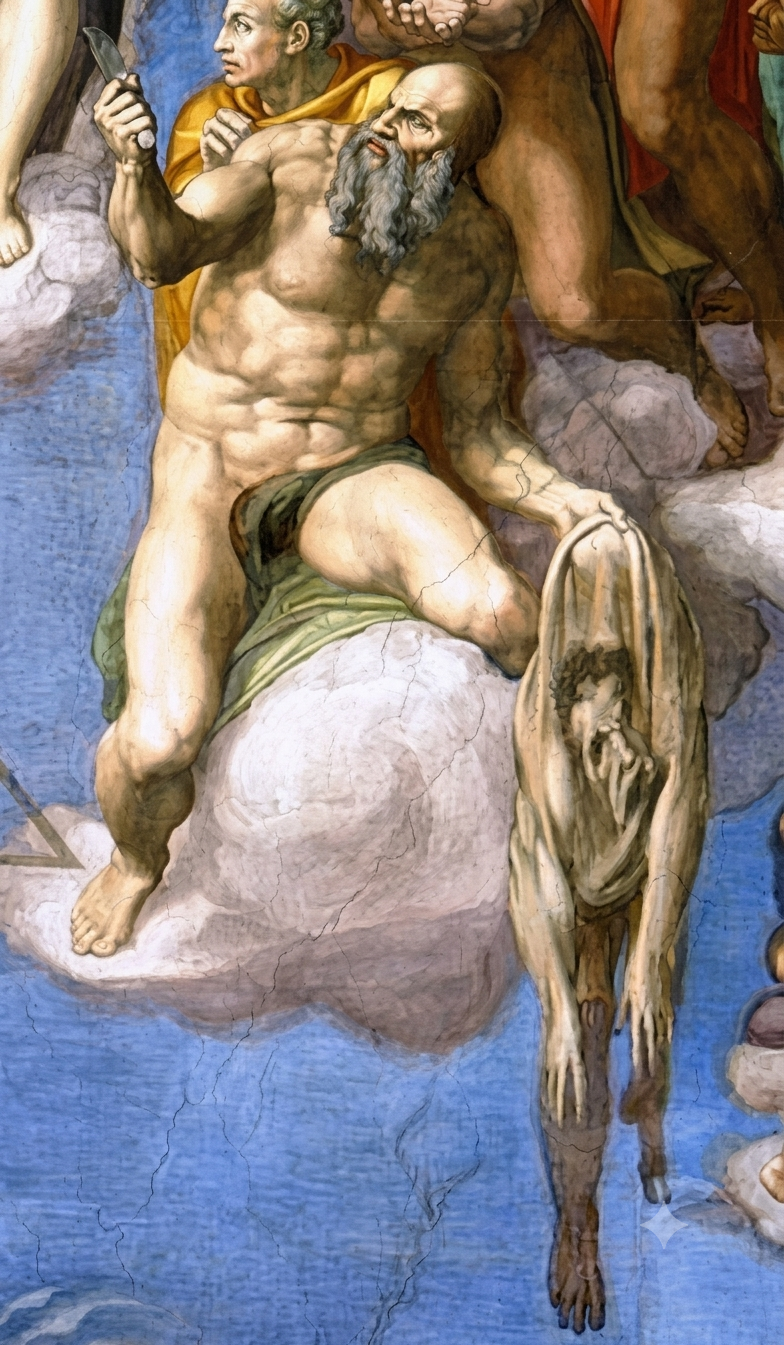
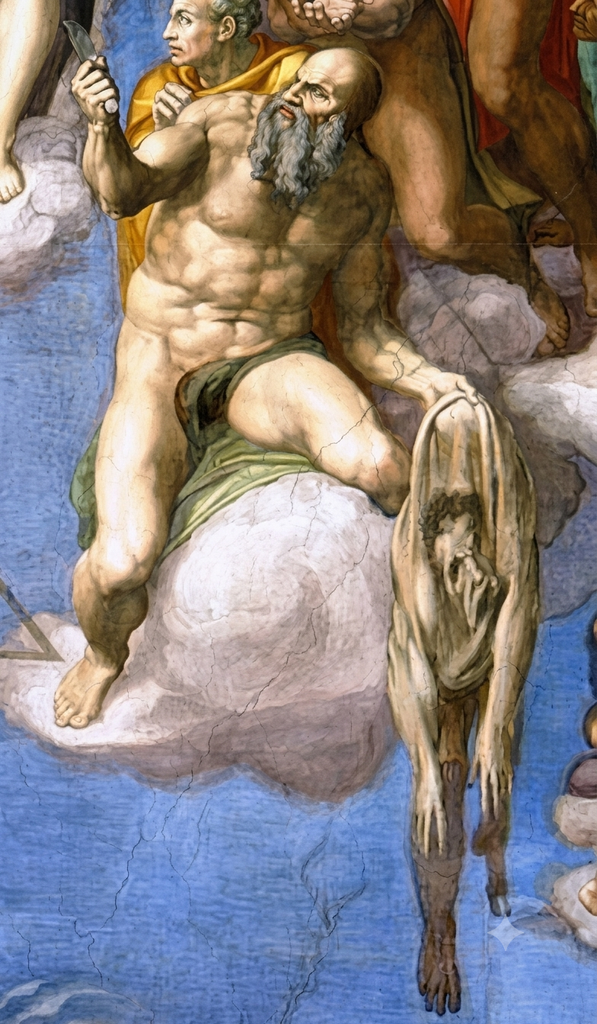
후대 전승, 특히 중세 이후에는 그가 살가죽이 벗겨지는 형벌로 순교했다는 이야기가 매우 대중화되었습니다. 시스티나 성당에 그려진 미켈란젤로의 그 유명한 ‹최후의 심판› 장면을 떠올려 보십시오. 미켈란젤로는 성 바르톨로메오가 왼손에 자신의 살가죽을 들고 있는 모습을 그렸는데, 그 가죽에 작가 자신의 초상을 남겼습니다.
성 바르톨로메오 사도의 유해는 이곳 로마의 티베리나 섬에 위치한 성 바르톨로메오 성당에 모셔져 공경을 받고 있으며, 983년 신성로마제국의 오토 3세 황제에 의해 이곳으로 옮겨졌다고 전해집니다.
결론적으로, 바르톨로메오 사도에 대한 정보는 비록 적지만, 그는 우리에게 예수님을 향한 사랑과 신앙에서 놀랍고 세상을 흔드는 일을 하지 않으면서도 살아가고 증언할 수 있음을 몸소 보여줍니다. 우리 각자가 자신의 삶과 죽음을 바치도록 부름받은 예수님 그분이 가장 위대하시며 영원히 위대하신 분이기 때문입니다.(교황 베네딕토 16세, 2006년 10월 4일 일반 알현-교리교육)
***
Bartholomew
Dear Brothers and Sisters,
In the series on the Apostles called by Jesus during his earthly life, today it is the Apostle Bartholomew who attracts our attention. In the ancient lists of the Twelve he always comes before Matthew, whereas the name of the Apostle who precedes him varies; it may be Philip (cf. Mt 10: 3; Mk 3: 18; Lk 6: 14) or Thomas (cf. Acts 1: 13).
His name is clearly a patronymic, since it is formulated with an explicit reference to his father’s name. Indeed, it is probably a name with an Aramaic stamp, bar Talmay, which means precisely: “son of Talmay”.
We have no special information about Bartholomew; indeed, his name always and only appears in the lists of the Twelve mentioned above and is therefore never central to any narrative.
However, it has traditionally been identified with Nathanael: a name that means “God has given”.
This Nathanael came from Cana (cf. Jn 21: 2) and he may therefore have witnessed the great “sign” that Jesus worked in that place (cf. Jn 2: 1-11). It is likely that the identification of the two figures stems from the fact that Nathanael is placed in the scene of his calling, recounted in John’s Gospel, next to Philip, in other words, the place that Bartholomew occupies in the lists of the Apostles mentioned in the other Gospels.
Philip told this Nathanael that he had found “him of whom Moses in the law and also the prophets wrote, Jesus of Nazareth, the son of Joseph” (Jn 1: 45). As we know, Nathanael’s retort was rather strongly prejudiced: “Can anything good come out of Nazareth?” (Jn 1: 46). In its own way, this form of protestation is important for us. Indeed, it makes us see that according to Judaic expectations the Messiah could not come from such an obscure village as, precisely, Nazareth (see also Jn 7: 42).
But at the same time Nathanael’s protest highlights God’s freedom, which baffles our expectations by causing him to be found in the very place where we least expect him. Moreover, we actually know that Jesus was not exclusively “from Nazareth” but was born in Bethlehem (cf. Mt 2: 1; Lk 2: 4) and came ultimately from Heaven, from the Father who is in Heaven.
Nathanael’s reaction suggests another thought to us: in our relationship with Jesus we must not be satisfied with words alone. In his answer, Philip offers Nathanael a meaningful invitation: “Come and see!” (Jn 1: 46). Our knowledge of Jesus needs above all a first-hand experience: someone else’s testimony is of course important, for normally the whole of our Christian life begins with the proclamation handed down to us by one or more witnesses.
However, we ourselves must then be personally involved in a close and deep relationship with Jesus; in a similar way, when the Samaritans had heard the testimony of their fellow citizen whom Jesus had met at Jacob’s well, they wanted to talk to him directly, and after this conversation they told the woman: “It is no longer because of your words that we believe, for we have heard for ourselves, and we know that this is indeed the Saviour of the world” (Jn 4: 42).
Returning to the scene of Nathanael’s vocation, the Evangelist tells us that when Jesus sees Nathanael approaching, he exclaims: “Behold, an Israelite indeed, in whom there is no guile!” (Jn 1: 47). This is praise reminiscent of the text of a Psalm: “Blessed is the man… in whose spirit there is no deceit” (32[31]: 2), but provokes the curiosity of Nathanael who answers in amazement: “How do you know me?” (Jn 1: 48).
Jesus’ reply cannot immediately be understood. He says: “Before Philip called you, when you were under the fig tree, I saw you” (Jn 1: 48). We do not know what had happened under this fig tree. It is obvious that it had to do with a decisive moment in Nathanael’s life.
His heart is moved by Jesus’ words, he feels understood and he understands: “This man knows everything about me, he knows and is familiar with the road of life; I can truly trust this man”. And so he answers with a clear and beautiful confession of faith: “Rabbi, you are the Son of God! You are the King of Israel!” (Jn 1: 49). In this confession is conveyed a first important step in the journey of attachment to Jesus.
Nathanael’s words shed light on a twofold, complementary aspect of Jesus’ identity: he is recognized both in his special relationship with God the Father, of whom he is the Only-begotten Son, and in his relationship with the People of Israel, of whom he is the declared King, precisely the description of the awaited Messiah. We must never lose sight of either of these two elements because if we only proclaim Jesus’ heavenly dimension, we risk making him an ethereal and evanescent being; and if, on the contrary, we recognize only his concrete place in history, we end by neglecting the divine dimension that properly qualifies him.
We have no precise information about Bartholomew-Nathanael’s subsequent apostolic activity. According to information handed down by Eusebius, the fourth-century historian, a certain Pantaenus is supposed to have discovered traces of Bartholomew’s presence even in India (cf. Hist. eccl. V, 10, 3).
In later tradition, as from the Middle Ages, the account of his death by flaying became very popular. Only think of the famous scene of the Last Judgment in the Sistine Chapel in which Michelangelo painted St Bartholomew, who is holding his own skin in his left hand, on which the artist left his self-portrait.
St Bartholomew’s relics are venerated here in Rome in the Church dedicated to him on the Tiber Island, where they are said to have been brought by the German Emperor Otto III in the year 983.
To conclude, we can say that despite the scarcity of information about him, St Bartholomew stands before us to tell us that attachment to Jesus can also be lived and witnessed to without performing sensational deeds. Jesus himself, to whom each one of us is called to dedicate his or her own life and death, is and remains extraordinary.