

여러 세대를 교육해 온 세 단어: 이성, 종교, 그리고 자애
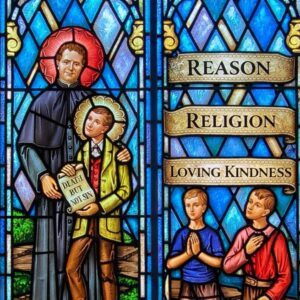
2026년 1월 26일 | 로마(ANS) by ANS Direttore Fr. Pakkam Michael Harris SDB
돈 보스코(Don Bosco)가 자신의 ‘예방 교육법(Preventive System)’을 제시했을 때, 그는 이를 이성(Reason), 종교(Religion), 그리고 자애(Loving-kindness)라는 단순하면서도 강력한 세 단어로 요약했다. 그는 이 세 기둥 위에서 발독코(Valdocco)와 다른 많은 집의 수천 명의 청소년을 교육했으며, 이 동일한 토대 위에서 살레시오 세계는 오늘날에도 전 세계적으로 학교와 오라토리오, 사회 복지 시설을 세워나가고 있다. 이는 단순한 교육 슬로건이 아니라, 청소년의 정신과 마음, 영혼을 하나로 묶어주는 실질적인 ‘교육의 문법’이다.
이성(Reason)
돈 보스코에게 이성이란, 무엇보다 청소년들이 규칙과 교육적 제안 뒤에 숨겨진 ‘이유’를 이해하도록 돕는 것을 의미한다. 그는 단순히 명령하거나 금지하는 데 그치지 않았다. 그는 설명하고, 대화하고, 논증하며, 인간적이고 영적인 동기를 통해 설득하려 노력했다. 살레시오 문헌들은 ‘이성’이 합리성, 명료함, 그리고 청소년의 지성에 대한 존중을 의미한다고 강조한다. 즉, 정서적 압박이 아닌 진리의 빛으로 그들의 성장을 동반하는 것이다. 이성으로 교육한다는 것은 청소년이 무엇이 선한 것인지 이해하고 이를 자유롭게 선택할 수 있는 능력이 있다는 사실을 신뢰하는 것을 뜻한다. 이러한 이유로 살레시오 환경은 대화와 명쾌한 설명, 그리고 선택 뒤에 숨은 깊은 동기를 찾는 것을 소중히 여긴다.
종교(Religion)
종교는 예방 교육법의 핵심이다. 돈 보스코는 하느님과의 관계 없이는 교육이 불완전할 수밖에 없다고 확신했다. 따라서 그는 단순하고 접근하기 쉬운 신앙의 길을 제안했다. 연령에 적합한 교리 교육, 미사 참례, 권장하면서도 결코 강요하지 않는 빈번한 성사 생활, ‘도움이신 마리아’를 향한 신심 등이 그것이다. 이는 일상생활과 동행하는 대중적이고 구체적이며 기쁨이 넘치는 종교성이다. 한 문헌은 “잦은 고해성사와 영성체, 그리고 매일의 미사는 교육이라는 건축물을 지탱해야 하는 기둥이다”라는 그의 확신을 전한다. 그러나 돈 보스코는 그 어떤 것도 강요해서는 안 된다고 강조했다. 신앙은 매력적이고 평온하며 해방감을 주는 방식으로 제안되어야 하며, 이를 통해 성장의 여정에서 평화와 의미, 희망의 원천이 되어야 한다.
자애(Loving-kindness)
자애(Amorevolezza)는 아마도 가장 특징적인 단어인 동시에 번역하기 가장 어려운 단어일 것이다. 이는 단순한 감상적인 애정을 뜻하는 것이 아니라, 현존과 신뢰, 존중과 인격적 관계를 바탕으로 한 교육 스타일을 의미한다. 돈 보스코는 청소년들이 “단지 사랑받는 것뿐만 아니라, 스스로가 사랑받고 있음을 알게 되기를” 원했다. 최근의 연구들은 자애가 정서적 성숙에 대한 관심, 건강한 관계 구축, 그리고 교육자가 진정성을 가지고 스스로를 사랑받게 만드는 능력까지를 포함한다고 강조한다. 이러한 분위기 속에서 훈육은 굴욕을 주는 것이 아니라 성장을 돕는 것이 되며, 규율은 강요가 아니라 도움이 된다. 왜냐하면 규율은 청소년이 스스로 신뢰할 수 있다고 느끼는 관계 안에서만 발생하기 때문이다.
종합
이 세 단어는 왜 예방 교육법이 폭력적인 처벌을 거부하고 가혹한 제재를 최소화하며, 대신 내면의 책임감에 집중하는지를 설명해 준다. 규칙이 합리적이고 충분히 설명되며(이성), 하느님의 현존이 느껴지고(종교), 진정으로 사랑받고 있다고 느끼는(자애) 환경에 놓인 청소년은 심각한 잘못에 빠질 가능성이 적다. 설령 잘못을 저지르더라도, 다시 일어서려는 의지를 더 기꺼이 갖게 된다.
이러한 이유로 오늘날에도 살레시오 스타일로 교육하는 이들은 이 세 단어에서 시작할 수 있다. 말마디들은 적고 단순하지만, 청소년의 정신과 마음과 영혼에 직접 말을 걸기 때문에 수많은 세대를 교육할 수 있는 힘을 가지고 있다.
————————
Three words that have educated generations: reason, religion and loving-kindness
26 January 2026
(ANS – Rome) – When Don Bosco presented his Preventive System, he summarised it in three simple yet powerful words: reason, religion and loving-kindness. On these three pillars, he educated thousands of young people in Valdocco and in many other houses, and on these same foundations, the Salesian world continues to build schools, oratories and social works all over the world. This is not an educational slogan, but a real ‘grammar of education’, capable of holding together the minds, hearts and souls of young people.
For Don Bosco, reason means first and foremost helping young people to understand the why behind rules and educational proposals. He does not limit himself to commanding or prohibiting: he explains, dialogues, argues, and tries to convince with human and spiritual motivations. Salesian texts emphasise that ‘reason’ implies rationality, clarity, and respect for the intelligence of the young person, accompanying their growth not with emotional pressure but with the light of truth. Educating with reason means having confidence in the young person’s ability to understand what is good and to freely choose it; for this reason, the Salesian environment values dialogue, good explanations and the search for the deep motivations behind choices.
Religion is at the heart of the Preventive System. Don Bosco is convinced that without reference to God, education remains incomplete. For this reason, he proposed a simple and accessible path of faith: age-appropriate catechism, participation in Mass, frequent reception of the sacraments encouraged but never imposed, devotion to Mary Help of Christians. It is a popular, concrete and joyful religiosity that accompanies daily life. One text recalls his conviction that ‘frequent confession and communion and daily Mass are the pillars that must support the educational edifice’. However, Don Bosco insists that nothing should be forced: faith must be proposed in a way that makes it attractive, serene and liberating, so that it becomes a source of peace, meaning and hope on the path of growth.
Loving-kindness is perhaps the most characteristic word and, at the same time, the most difficult to translate. It does not refer to simple sentimental affection, but to an educational style made up of presence, trust, respect and personal relationship. Don Bosco wants young people ‘not only to be loved, but to know that they are loved’. The most recent studies emphasise that loving kindness also includes attention to emotional maturation, the building of healthy relationships and the educator’s ability to make themselves loved with authenticity. In this climate, correction does not humiliate but helps growth; discipline is not imposition but help, because it arises within a relationship in which the young person knows they can trust.
Together, these three words explain why the Preventive System rejects violent punishment and tends to minimise even the harshest sanctions, focusing instead on inner responsibility. A young person placed in an environment where the rules are reasonable and explained (reason), where the presence of God is felt (religion) and where one feels sincerely loved (loving kindness) is less likely to fall into serious error and, if he does fall, is more willing to get back up.
For this reason, even today, those who educate in the Salesian style can start from these three words: few, simple, but capable of educating generations, because they speak to the minds, hearts and souls of young people.


Yun Asella
돈 보스코의 후계자들이 예방교육을 체계화하고 발전, 전승하면서 정립해 온 것들도 원천 못지 않게 대단합니다. 저는 저의 삶의 현장에서 이 소중한 자산을 어떻게 살며 전하고 있는가 생각하게 됩니다